Jueteng
Explore the intricate world of Jueteng, a prominent illegal numbers game in the Philippines, examining its cultural roots, societal impacts, and ongoing controversies.
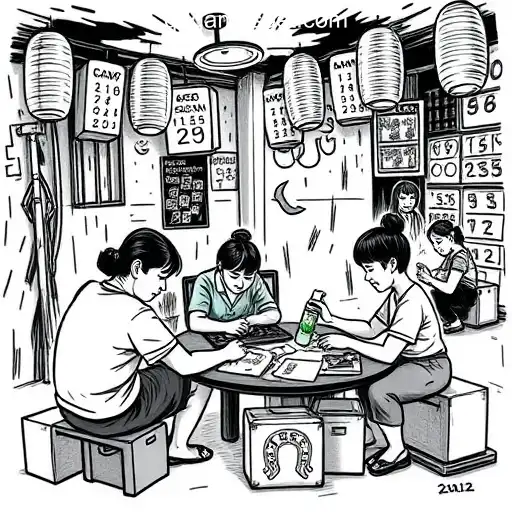
Understanding Jueteng: A Storied Tradition and Its Impact
Jueteng, a well-known numbers game in the Philippines, carries a rich history and complex cultural significance that continue to shape its current standing in society. This illegal lottery game thrives in various parts of the country, drawing participants from all walks of life despite its outlaw status. In this article, we delve into the intricacies of Jueteng, examining its origins, how it operates, and the controversies that surround it.
The Origins of Jueteng
Jueteng traces its roots back to the Spanish colonial period, evolving over centuries. It is believed to have originated from China, its name deriving from the Chinese words "hue," meaning flower, and "teng," meaning bet. Initially introduced as a simple amusement among Chinese communities, it quickly spread among Filipino locals, adapting to local culture and tradition.
How Jueteng Operates
The mechanics of Jueteng are straightforward, yet its execution exhibits an intricate network. Players place bets on numbers usually ranging from one to thirty-seven. Two numbers are drawn randomly, and those who bet on the winning combination receive a payout proportional to their wager. The draw often occurs twice a day, keeping the anticipation and excitement booming within communities.
The game is typically run by "cobradors" or collectors, who gather bets from patrons. These bets are then submitted to the "banqueros" or financiers, who oversee the entire operation. The simplicity and allure of Jueteng lie in the minimal investment required for potentially significant returns, making it particularly enticing for many Filipinos seeking an escape from economic hardship.
The Role of Jueteng in Philippine Society
Despite its illegal status, Jueteng has carved out a substantial niche in Philippine society. Its pervasive presence is often attributed to poverty and lack of accessible legal gambling alternatives. For many participants, Jueteng offers a glimmer of hope and a brief respite from financial burdens.
Moreover, Jueteng is deeply embedded in social fabric due to its capability to foster communal bonds. The act of betting can be a communal event, where individuals gather to discuss numbers and share insights, contributing to a sense of collective participation and excitement.
Interestingly, while Jueteng is illegal, it is not uncommon for its operations to intersect with legitimate political and business dealings. Allegations of political figures benefitting from protection money are not unheard of, highlighting the multifaceted nature of this underground economy.
The Controversy Surrounding Jueteng
Jueteng’s existence within the shadows of legality brings with it a slew of controversies and ethical debates. The game’s notoriety is amplified by the allegations of corruption that often accompany its operations. Reports suggest that officials at various levels, from local to national, accept bribes or turn a blind eye to Jueteng activities in exchange for financial gains.
Efforts to eradicate Jueteng have been met with mixed results. Crackdowns and raids are frequent, yet the game’s resilient nature ensures its persistence. Some argue that decriminalizing and regulating Jueteng could potentially transform it into a legalized industry contributing to national revenues. However, this proposal faces significant opposition from those who fear legitimizing a practice enmeshed in corruption.
Furthermore, the societal implications of widespread gambling cannot be ignored. Critics point out the potential for addiction and the subsequent socio-economic problems that might arise, including the impoverishment of already vulnerable communities.
The Allure and Excitement of Jueteng
For many, Jueteng’s allure remains undeniable. It offers both the thrill of gambling and the faint promise of immediate financial improvement. The daily routine of Jueteng draws people into a cycle of anticipation and community involvement, illustrating a unique dynamic within Philippine culture.
This allure is reminiscent of other popular global gaming phenomena, such as Q7 games: Dive into excitement and fun daily. These games captivate participants worldwide, echoing Jueteng’s ability to provide leisure and excitement despite differing contexts.
The Way Forward
The future of Jueteng in the Philippines remains uncertain. Its deep cultural roots and the challenges posed by poverty and governance highlight its complexity. While some advocate for reform and regulation, others insist on stricter enforcement of existing laws. Whether Jueteng will continue to thrive in its present form or undergo a significant transformation, its mark on Philippine society is indelible.
As policymakers grapple with these dilemmas, the conversation around Jueteng reflects broader societal issues. The challenge lies not only in addressing illegal gambling but also in understanding and resolving the economic and social conditions that allow it to flourish.